

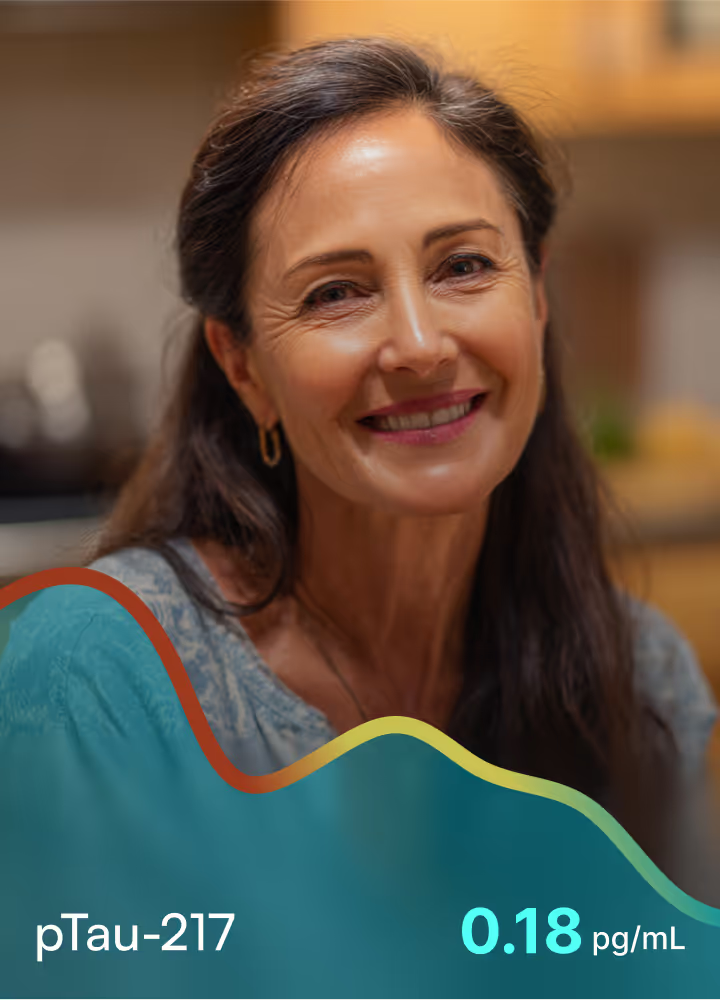



Smiling middle-aged woman with long dark hair, with text overlay showing pTau-217 level at 0.18 pg/mL.
Smiling woman with short dark hair in front of large green leaves with colorful wave overlay and text reading 'Energy Optimal'.
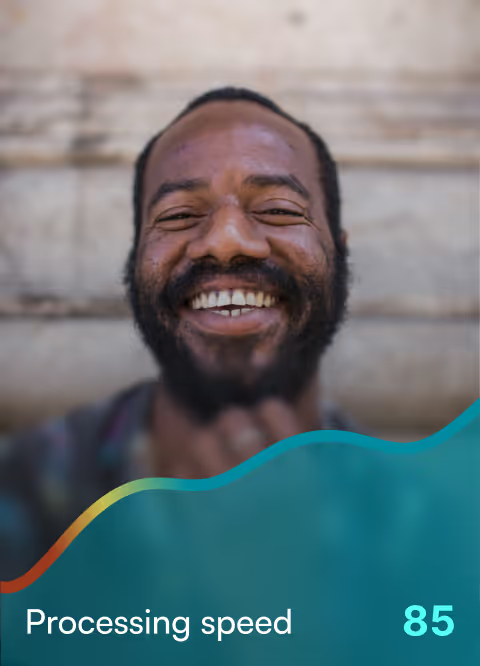
Smiling man with beard in front of a stone wall background with overlay text reading 'Processing speed 85'.

Assess your risk. Unlock expert support.

Convenient APOE4 dementia genetic test

15-min online consultation with a dementia specialist

Access to our online dementia prevention center

Science you can trust.
Results you can understand.

The APOE4 gene is the most reliable genetic marker for dementia risk, backed by decades of research and thousands of studies. It’s directly linked to amyloid plaque buildup, tau tangles, and brain inflammation—key drivers of Alzheimer’s. Found in up to 25% of the population, its strong association with cognitive decline (up to a 20x higher risk) makes it the gold standard for genetic dementia testing.

Getting genetic results can feel overwhelming—but with BetterBrain, a dementia specialist is here to help you make sense of them. You'll receive your results in a personalized online consultation, where they’ll clearly explain what your results mean, what they imply for your brain health, and what your best next steps are.

Backed by
1000+ studies
Detect up to
20x risk
Simple
blood test
Results in
4 days or less
How it works

Get tested, get informed, get ahead

1.

Order your blood test

Schedule a blood draw from 1 of our 2,000 partner labs, or choose an at-home blood draw for extra comfort.

2.

Receive Your Results

Your results will be available within 5 days and will be personally explained to you by a dementia specialist who will help you understand the results & implications.

3.

Begin Your Prevention Journey

Uncovering high pTau levels doesn't mean you're powerless. Join BetterBrain's prevention program to take back control and reduce your overall risk.

How to interpret your results

While a specialist will go over your results with you in detail, here’s how the APOE test works to assess your risk.

No copy of APOE4
Approx. 75% of the population
No increased genetic risk for Alzheimer’s.

A negative test doesn’t necessarily preclude you from getting dementia, since half of Alzheimer’s patients are APOE4 negative (i.e., do not carry any APOE4 genes).
One copy of APOE4
Approx. 22% of the population
Risk is 2-3 times higher compared to non-carriers.

A comprehensive and rigorous prevention plan can practically eliminate the risk for single APOE4 carriers.
Two copies of APOE4
Approx. 2-3% of the population
Risk is approx. 12-20 times higher compared to non-carriers.

Prevention should be even more focused and tailored to manage and monitor the risk.

Genetic risk detected?
Nearly 1 in 2 dementia cases
can be prevented

Science shows that with a personalized set of interventions, you can significantly reduce your risk of dementia.

88% of members in BetterBrain’s prevention program improved key dementia risk markers—in just 3 months.

Source: The Lancet. Dementia prevention, intervention, and care: 2024 report of the Lancet standing Commission

Tailored prevention.
measurable progress

88%
of BetterBrain users improved key dementia risk markers in just 3 months.

They're taking control of their health
with BetterBrain

"Within  3 months, I was able to completely change my bloodwork"

Kim

BetterBrain member since 2023

“BetterBrain helped me cut through the noise and focus on what actually works.”

Amy

BetterBrain member since 2023

“BetterBrain exceeded our expectations—4X the information we were looking for. It changed so much in my life.”

Cara

BetterBrain member since 2023

"BetterBrain made it so easy to assess my risk & formulate a plan"

Ana

BetterBrain member since 2023

“Incredible value. Unique access to cutting-edge science for your brain health.”

Victoria

BetterBrain member since 2023

“I finally have a sense of control and stopped feeling hopeless about my brain health.”

Sandra

BetterBrain member since 2023

"They had the answer to every crazy question I had and the science to back it up"

Amy

BetterBrain member since 2023

Live a full life,
your whole life

APOE4 genetic test
x
Science-backed dementia
prevention protocol
x
Brain health assessment
(blood test of 50+ biomarkers)
x
Cognitive test
x
BetterBrain app access
x
75-min dementia consultation
x
SMS coaching with a dementia specialist
x
pTau BetterBrain checkup
+$100
BetterBrain Advanced
Check-up
Traditional dementia prevention clinic
$2,000 - $10,000
$599
one-time
Get started
$499
one-time
Get started
Money-Back Guarantee
HSA & FSA Eligible
Buy Now, Pay Later

Why our clients love us

"Within  3 months, I was able to completely change my bloodwork"

This is some text inside of a div block.

“BetterBrain helped me cut through the noise and focus on what actually works.”

- Amy

“BetterBrain exceeded our expectations—4X the information we were looking for. It changed so much in my life.”

- Cara

"BetterBrain made it so easy to assess my risk & formulate a plan"

“I finally have a sense of control and stopped feeling hopeless about my brain health.”

- Sandra

“Incredible value. Unique access to cutting-edge science for your brain health.”

- Victoria

"They had the answer to every crazy question I had and the science to back it up"

Better cognition is months away

3 months

BetterBrain users improved key dementia risk markers in just 3 months

Subscribe to BetterBrain health newsletter

Every week, we'll deliver the most important brain health discoveries, science-backed tips, and more.

No fluff, no filler – just actionable insights you can trust.

Discover the top minds behind BetterBrain's
dementia prevention program

With expertise in genetics, neuroscience, epidemiology and heritable diseases, BetterBrain's scientific advisors ensure that our prevention program remains guided by the latest scientific breakthroughs.


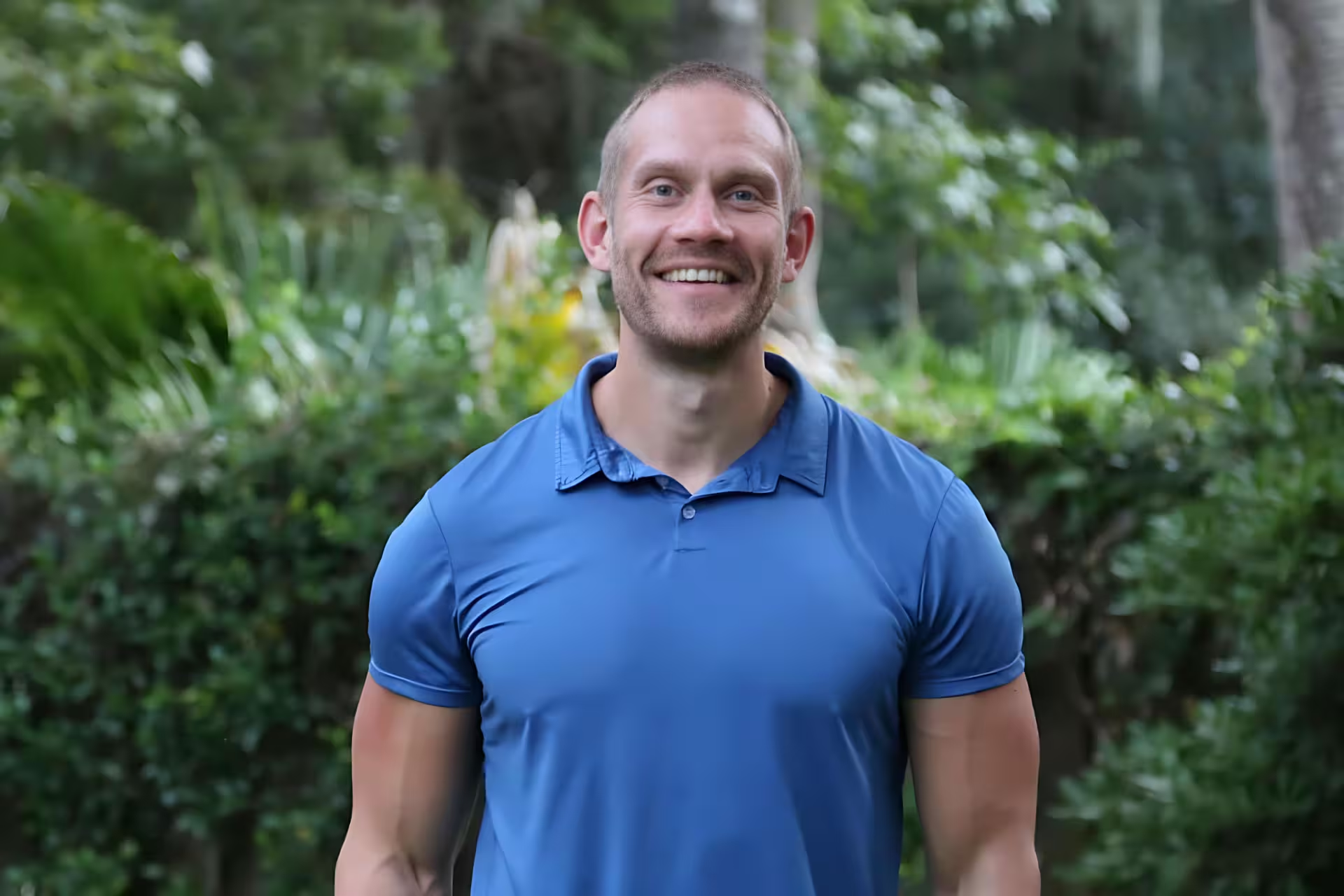
Tommy Wood, MD, PhD

Tommy Wood, MD, PhD

Dr. Tommy Wood is an Associate Professor of Neuroscience and Pediatrics at the University of Washington, where his research focuses on brain health including factors influencing long-term cognitive function and dementia risk.

Tommy earned his Bachelor’s degree in Biochemistry from the University of Cambridge, a medical degree from the University of Oxford, and a PhD in Physiology and Neuroscience from the University of Oslo. In addition to his academic work, Tommy has spent over a decade as a performance consultant for professional athletes, including Olympians and world champions.

He also hosts the Better Brain Fitness podcast, where he discusses strategies to prevent dementia and improve cognitive function. Tommy has appeared on The Drive by Dr. Peter Attia, sharing his expertise on dementia prevention and cognitive health.

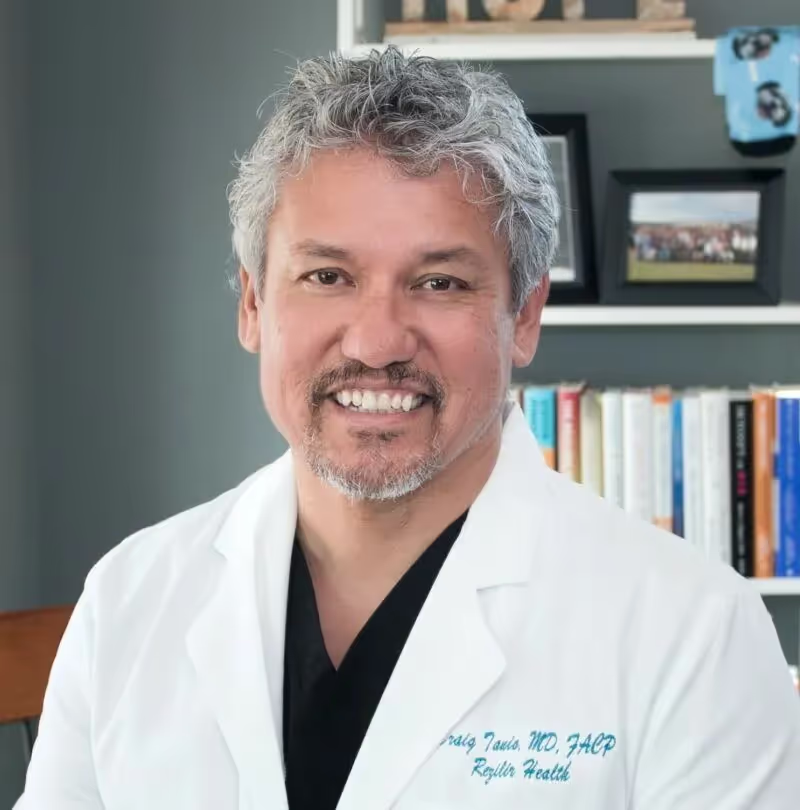
Craig Tanio, MD, FACP

Craig Tanio, MD, FACP

Dr. Tanio is trained in internal medicine, brain health, longevity, and precision medicine. As co-founder of Rezilir Health, he leads a clinical team treating complex chronic conditions such as cognitive decline, neurodegenerative disorders, Long Covid, autoimmune diseases, ME/CFS, and environmentally acquired illnesses. His approach emphasizes identifying root causes and providing practical, evidence-based care, drawing from multiple medical disciplines and aligning with patients' values and preferences.He holds a BA in Political Science from UCLA, an M.D. from UCSF, and an MBA from the Wharton School. He completed his residency and fellowship at the University of Pennsylvania, where he served as Chief Medical Resident and was a Robert Wood Johnson Clinical Scholar. Dr. Tanio is board certified in internal and functional medicine and has trained in several functional protocols.He is a co-investigator in the Evanthea Research Study, which explores reversing cognitive decline through precision medicine, and leads studies on real-world outcomes for patients with cognitive decline and ME/CFS. His leadership roles have included serving as Chief Medical Officer of ChenMed, a multi-state group practice for Medicare Advantage patients, a Partner at McKinsey & Company and Chairman of the Maryland Health Care Commission. He is also on the faculty at Johns Hopkins and Nova Southeastern University and is a member of the Alpha Omega Alpha Medical Honor Society.

Jay Saenz, MD

Jay Saenz, MD

Jay Saenz, MD, is a board-certified orthopedic surgeon and healthcare entrepreneur with over 19 years of experience in private practice. He is the Founder and President of Aethos Partners, a company dedicated to enhancing patient recovery through the integration of high-quality, innovative products into medical practices. Aethos Partners specializes in creating customized e-commerce platforms that align with the specific needs of individual practices.His company, Aethos Partners, formerly engaged in a joint venture with Obento Health, a Y Combinator-backed startup specializing in digital marketing and patient education. He now continues to contribute to Obento Health as an advisor. Additionally, his expertise has been pivotal in driving business development at OrthoSouth, where he has played a key role in establishing strategic partnerships and elevating the quality of orthopedic care in local hospitals.Dr. Saenz holds a Bachelor of Arts in Microbiology from the University of Arkansas and earned his Doctor of Medicine from the University of Arkansas for Medical Sciences. He completed his residency in Orthopedic Surgery at the University of Tennessee-Campbell Clinic and has been practicing in Memphis, TN, since 2005.

John Jeffries, MD

John Jeffries, MD

Dr. John Jefferies is an internationally recognized cardiologist specializing in cardiomyopathies, heart failure, genetics, heritable disease, artificial intelligence, and rare diseases. He is currently a Professor in the School of Public Health at the University of Memphis, the team cardiologist for the Memphis Grizzlies, and a Research Member of St Jude Children’s Research Hospital. Dr. Jeffries is also the immediate past Governor of the Tennessee Chapter of the American College of Cardiology and immediate President of the American Heart Association Mid-South region.Dr. Jeffries is the lead Editor of two leading textbooks in cardiology and has authored or co-authored over 300 peer-reviewed manuscripts and book chapters. His research is funded by sources including the National Institutes of Health and multiple industry partners. He is actively involved in the advancement of innovative technologies including AI in healthcare, novel strategies for healthcare provision connectivity, precision medicine, diagnosis and management of rare diseases, and patient advocacy. Additionally, he has served as a Key Opinion Leader for over 30 national and international companies, has served on multiple Scientific Advisory Boards, and is a consultant to both privately held and publicly traded companies.Dr. Jeffries completed his combined adult cardiology and pediatric training at the Baylor College of Medicine in Houston, Texas at the Texas Children's Hospital, and at the Texas Heart Institute. He received his MPH from the University of Kentucky with a major in Epidemiology, and his MBA from the Wharton Business School of the University of Pennsylvania with a dual major in Management and Entrepreneurship & Innovation.

Jordan Glenn, PhD

Jordan Glenn, PhD

Starting from his time at Omada Health, he has developed a diverse background in the digital health space where he has used his aging expertise in exercise, nutrition, and behavior change to focus on disease states such as diabetes, cardiovascular disease, and now Alzheimer’s and dementia.As Neurotrack’s Chief Science Officer, Jordan leads the company’s scientific development and validation pipeline, while informing the company's business development/ partnerships. He also holds an academic dual-appointment at the University of Arkansas and has been authored on over 100 scientific publications. He is also the primary investigator on the DC-MARVEL project, which is the first study ever to investigate the effects of fully remote, digital health coaching on Alzheimer’s disease risk.Jordan holds a PhD with specializations in exercise physiology, gerontology, and nutrition from the University of Arkansas.

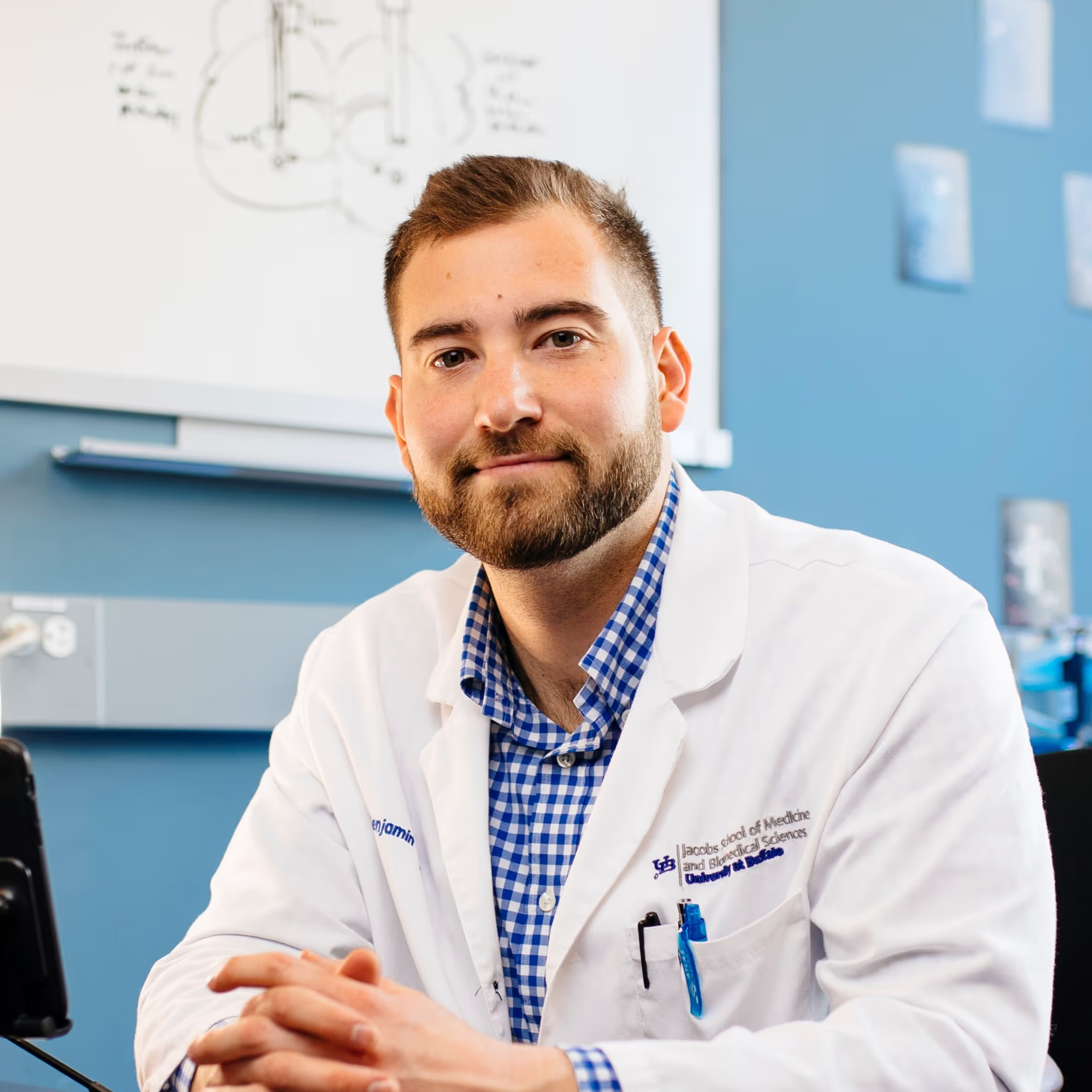
Ben Rein, PhD

Ben Rein, PhD

Dr. Ben Rein is a neuroscientist and science educator whose research focuses on the neurobiology of social interactions. He has published over 20 scientific papers about the neuroscience of empathy, the genetic basis of autism, and how brain cell communication regulates social interactions. His research has received awards from the NIH, Society for Neuroscience, and Sigma Xi. Outside the lab, Ben creates educational videos on research, neuroscience basics, and debunks misinformation for his audience of >1 million followers. His videos have received over 60 million views, been featured on major media outlets (ABC News, Good Morning America), and have won awards from the National Academies of Science, AAAS, Society for Neuroscience, and Stanford. Ben serves as Chief Science Officer of the Mind Science Foundation and is an Adjunct Lecturer at Stanford. He has been a scientific consultant for over 35 companies and foundations. He is also a contributing editor at OpenMind Magazine and the Founder of the Aspiring Scientists Coalition, an organization providing free guidance for students in 75+ countries.

Lingering questions?
Book a free 15-minute consultation to learn more and get tips
Schedule now

Common questions about pTau-217

What is pTau-217?

pTau stands for phosphorylated tau. You may have heard of tau before - it’s one of the proteins that accumulates in the brain in Alzheimer’s patients. This blood test looks for a specific variety of that protein in your blood. The amount of pTau-217 in your blood is strongly associated with the progression of Alzheimer’s in your brain, even before any symptoms show. That’s why it’s such a useful tool for prevention - it can give you a sense of how far along the disease you are, and most importantly, help you make an informed choice on what prevention strategies you want to take.

Why should I take a pTau test?

It helps detect early signs of Alzheimer's disease before symptoms appear, allowing for earlier intervention, better planning, and access to clinical trials or treatments.

Who should consider taking a pTau test?

We believe that pTau-217 can be a highly valuable test for anyone over 45 AND with an increased risk for Alzheimer's (family history, genetic disposition).

Does having a positive pTau test result mean I have Alzheimer's?

A positive result means that you are very likely to have an elevated amount of amyloid pathology in your brain, which incurs a higher risk for developing cognitive symptoms. In order to diagnose Alzheimer's, you would need either an amyloid PET scan or a spinal tap which tests for amyloid, as well as a clinical exam performed by a neurologist. It's important to realize that getting a positive pTau-217 result does not definitively mean you will develop Alzheimer's symptoms. However, it does mean you are at increased risk and may influence the decisions you make surrounding how you approach your brain health.

Does having a negative result mean that I’m cleared of Alzheimer’s?

No, a negative result does not guarantee you won't develop Alzheimer's. A negative result means you are below the threshold at which you would most likely receive a positive amyloid PET scan. This is good news because it suggests a lower likelihood of having Alzheimer’s-related changes in the brain at the time of testing.

Nevertheless, depending on the amount of pTau-217 detected, you may be exhibiting signs of pre-clinical Alzheimer’s. In other words, elevated pTau results suggest the brain is showing early signs of damage which eventually may accumulate to cause cognitive symptoms. Yet by taking action before your symptoms show, you may be able to prevent or delay the onset of Alzheimer’s. Your pTau-217 results can help you calibrate the kinds of actions you want to take to improve your brain health.

Are there any reasons I should not take the pTau test?

pTau-217 is a blood test which relates to Alzheimer’s dementia, which is a serious disease with limited effective treatments. Although we staunchly believe in the power of prevention and are convinced by the results of new Alzheimer’s treatments (such as Lecanemab or Kisunla), we have yet to develop a true “cure” for Alzheimer’s.
If you tend to feel anxious or have ever been diagnosed with anxiety or depression, you may have more emotional difficulty with these test results.
Please consider the following:
  • Receiving a positive pTau-217 test does not mean that you will definitely develop Alzheimer’s
  • If you receive a negative pTau-217 result, you may still go on to develop Alzheimer’s later in your life
  • Knowing or telling others about your pTau-217 result could affect your ability to get some kinds of insurance (learn more about privacy here)
  • Testing for pTau-217 in the general population is not currently recommended by most healthcare professional organizations
If you decide to take this test, your results will include information about resources that may be helpful, including science-backed clinical and non-clinical interventions that can improve your results, and counseling services to better understand your Alzheimer’s risk.

How can I schedule my pTau test?

Testing pTau requires a blood draw, which you'll be able to schedule:
  • At a LabCorp location near you (2,000+ locations available)
  • At home (where available - we'll check your availability)

What is the APOE Gene?

APOE is a gene that affects how your brain handles cholesterol and clears amyloid plaques. Everyone has two copies of the APOE gene, creating combinations like 3/3, 3/4, or 4/4.

What do the APOE Variants Mean?

APOE2: Protective variant with lower Alzheimer's risk
APOE3: Neutral variant representing baseline risk
APOE4: Higher risk variant that increases Alzheimer's likelihood
  • One copy of APOE4: 2-3x higher risk
  • Two copies of APOE4: 8-12x higher risk

What Can I Do If I'm an APOE4 Carrier?

Key prevention strategies include:
  • Prioritize heart-healthy fats
  • Manage cholesterol carefully
    Implement anti-inflammatory lifestyle practices
    Optimize sleep hygiene
    Engage in regular cognitive assessments

How Do APOE and pTau-217 Work Together?

APOE testing provides genetic risk information, while pTau-217 offers a dynamic view of current brain health. Together, they create a comprehensive prevention strategy.

How will my results be delivered to me?

Your results will be shared during the virtual consultation with our dementia prevention specialists. After the consultation,the results will also be available in your BetterBrain portal.

How do you keep my health information safe?

BetterBrain maintains high standards for data privacy and security. Our team includes experienced leaders who have built secure healthcare data systems. All staff are HIPAA-trained, and they implement robust digital, physical, and administrative security measures. BetterBrain restricts access to your results on a need-to-know basis - only you, the ordering physician, and your brain health expert have access to your health data.

What is BetterBrain's prevention program and why should I join?

BetterBrain's prevention program offers a comprehensive approach to brain health that includes:
Holistic assessment with 50+ blood biomarkers and cognitive testing
Personalized action plans based on your specific risk factors
Expert coaching with brain health specialists
Access to curated products and servicesRetesting to track progress

You should join if you're concerned about cognitive decline, have a family history of dementia, or want to optimize your brain health. The program offers significantly more value than traditional medical care for brain health at a fraction of the cost.

How will I know the prevention program is working?

BetterBrain tracks your progress through:
Follow-up testing of your most critical biomarkers after 3 months
Unlimited cognitive assessments to measure improvements in brain function
Tracking changes in daily functioning, including energy, mood, and clarity
A personalized dashboard that visualizes your progress

Most of our clients see measurable improvements in their blood markers within just three months—significantly lowering biomarker levels linked to an increased risk of dementia.

Is BetterBrain FSA/HSA eligible?

Yes! BetterBrain is FSA/HSA eligible, allowing you to save up to 40% on the cost.BetterBrain will file a claim on your behalf - no need to use your HSA / FSA card! You will receive an email from our claims partner Binkey with instructions on how to proceed.
Other questions? Feel free to contact us